For Organizations
Customize your Copilot
Build your own
In many organizations, AI tooling has started to sprawl.
One framework for orchestration. Another for prompts. Another for tools. Another for observability. Another for deployment.
What started as experimentation has turned into a vendor stack problem.
On April 3, Microsoft quietly changed that conversation.
Microsoft Agent Framework 1.0 went generally available.
And unlike most AI launches, this one isn’t about a new model. It’s about consolidation.
Microsoft Agent Framework is not a brand‑new idea.
It is the convergence of two things many teams were already using or evaluating:
Until now, teams had to choose.
With Agent Framework 1.0, that split is over.
One open‑source framework. Two first‑class languages .NET and Python. One stable API surface. And an explicit commitment to long‑term support.
That last part matters more than most people realize.
Most organizations don’t fail with AI because models are weak.
They fail because the surrounding system can’t survive production.
Agent Framework 1.0 is designed for systems, not demos.
It supports:
These are the exact gaps teams usually paper over with extra vendors or custom glue code.
Microsoft is making a very direct bet here. The agent runtime becomes part of your application platform, not an experiment sitting next to it.
If your organization runs large .NET or Python estates, this is where things get interesting.
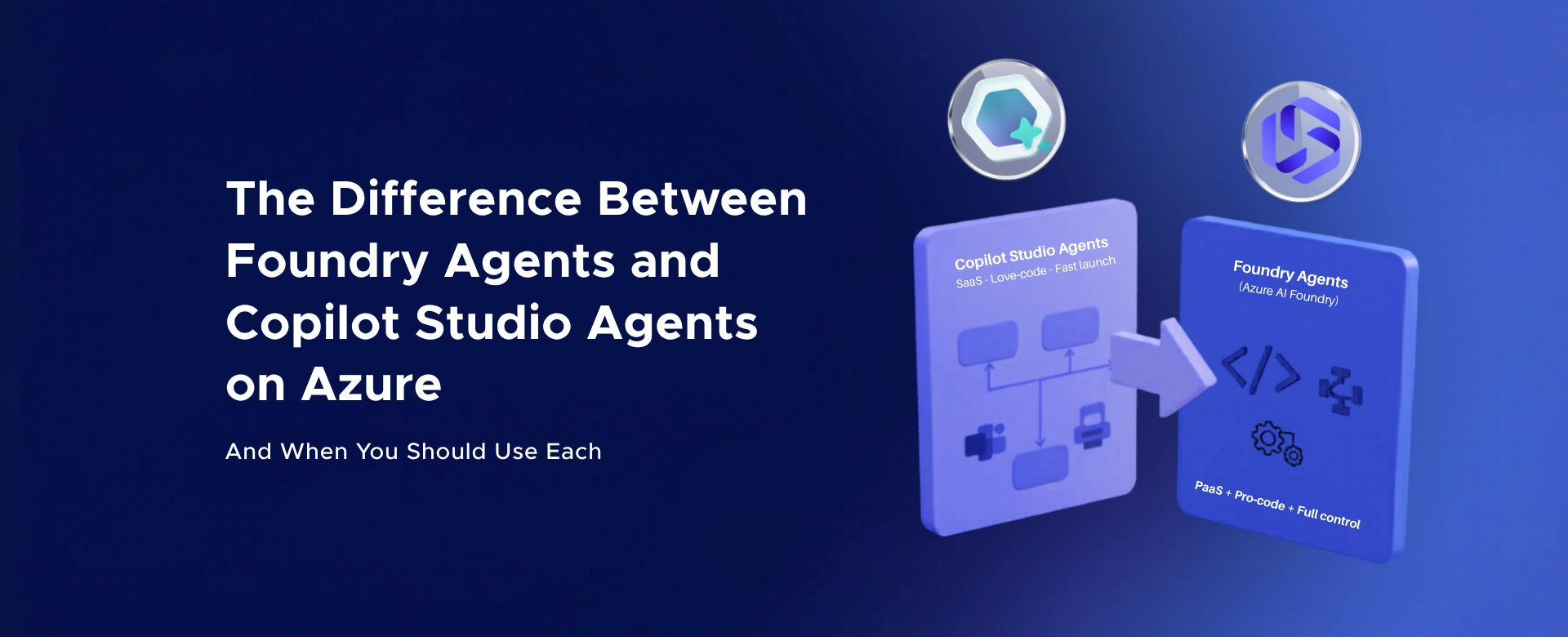
Agent Framework is not low‑code. It is not Copilot Studio. It is not a UI product.
It is pro‑code infrastructure.
The same team that builds services can now:
This collapses what used to be multiple architectural choices into one decision.
For engineering leaders, that reduces cognitive and operational overhead.
Microsoft did not ship this as a closed service.
Agent Framework is open source. MIT licensed. Actively developed on GitHub.
That matters for a few reasons.
It lowers lock‑in fears at the framework layer. It gives architects direct insight into behavior and extensibility. It turns Microsoft into a steward, not just a vendor.
This is a very different posture from “use our assistant UI and trust us.”
For many teams, Agent Framework 1.0 can replace large parts of their AI tooling stack.
Not overnight. But deliberately.
Over time, this single framework can cover:
That’s why this release matters more strategically than it looks on launch day.
This isn’t a “try it in a lab” release.
Version 1.0 means something specific in Microsoft’s world: stable APIs, upgrade paths, and production intent.
For CTOs, Chief AI Officers, and heads of engineering, the question is no longer whether agentic systems will show up.
They already are.
The real question is whether you want to manage them through:
Microsoft is making its answer clear.
If you’re a CTO, Chief AI Officer, or VP of Engineering and you’re feeling:
this release is worth a closer look.
I work with organizations to:
Feel free to contact us.